
Dubbel & Quadrupel
Dubbel and quadrupel represent the malt-driven side of the Belgian tradition. A dubbel is reddish-brown and sits around six to seven percent, with caramel, raisin, and dark candy sugar. A quadrupel goes further: deeper in color, fuller in body, and often above ten percent, with dried fruit, syrup, and sometimes a hint of port or wood.
These are beers that require time. Pour them into a bulbous glass at around ten degrees, allowing the malt and dried fruit to have room to develop. A quadrupel can be aged for years; it softens in the bottle and develops more syrup and port notes. They belong with game, stews, aged cheese, or a caramel dessert. There are also versions aged in the barrel and 75-centiliter bottles to share.
Showing all 10 results
Shipping is €7.68 per order, regardless of how many bottles you take. Self-collection in Zoetermeer is free.-

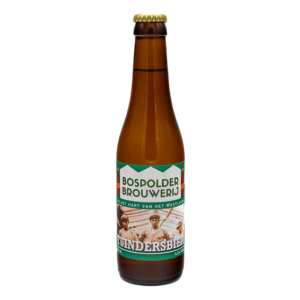
Bospolder Brewery Market Gardener's Beer Paterbier
€ 3,99 Add to cart -
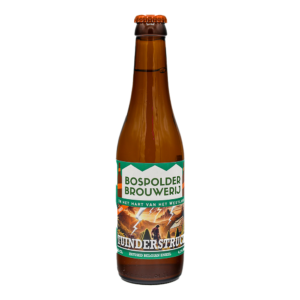
Bospolder Brewery Gardener's Truck Patersbier infused with Gin
€ 4,29 Add to cart -
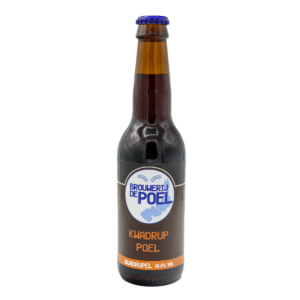
The Pool Quadrupe Pool Quadrupel
€ 4,09 Add to cart -
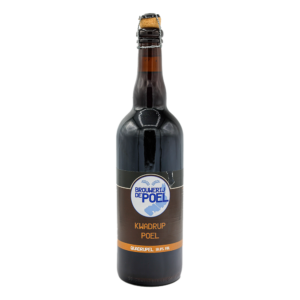
De Poel Kwadrup Poel Quadrupel 75CL
€ 9,09 Add to cart -
Dutch Fox Porto Quatro Quadrupel
€ 4,46 Add to cart -
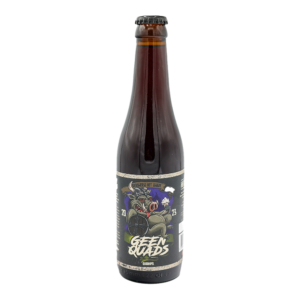
Het Zwijn GeenQuads Quadrupel
€ 4,59 Add to cart -
Pophop Cyberjazz Infused Quadrupel
Original price was: € 4,59.€ 3,59Current price is: € 3,59. Add to cart -
Stad1806 Kanongieter Dubbel
€ 3,99 Add to cart -
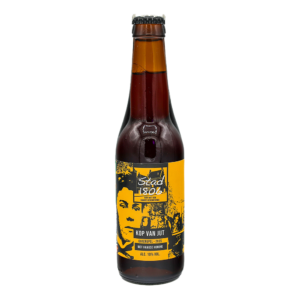
Stad1806 Kop van Jut Quadruppel
€ 3,99 Add to cart -
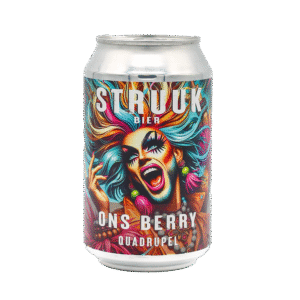
Struuk Bier Ons Berry Quadrupel
€ 4,48 Add to cart



Double or quadruple: what is the difference?
The figures come from the monastic tradition and are not a precise measurement. Roughly speaking, a dubbel remains dark, malty, and around eight percent, while a quadrupel goes to ten or higher and becomes sweeter and more robust. Below that is the patersbier, the light beer that the monks themselves drank.
Patersbier and dubbel
The lighter side of the family. Patersbier is made to be drunk at work, not to impress; a dubbel adds dark malt and a fuller body on top of that.
The classic quadruple
Dark malt, candy sugar, and ten percent alcohol. Caramel and dried fruit, warm in the finish, and a beer you rarely drink back-to-back.
With something extra
Two brewers who take the quadrupel as a base and pair it with something: port and oak in one, vanilla pods from the vodka bottle in the other.
To put away
Three-quarters of a liter, almost black, and a beer you don't drink by yourself. This is the bottle that goes on the table alongside dinner, or that you let age for a few years.
Frequently Asked Questions
What do double, triple, and quadruple actually mean?
The names originate from Belgian abbey breweries and indicate the amount of malt used in the mash, and thus the strength. There is no official standard: a dubbel from one brewer can turn out stronger than a tripel from another.
Why is a quadruple so sweet?
Made with candy sugar and dark malt. Some of those sugars do not ferment and remain in the glass as caramel and dried fruit. That sweetness is also what makes the ten percent alcohol feel smooth.
At what temperature do you pour a quadruple?
Between 10 and 12 degrees, in a goblet. Too cold and you only taste sweetness; at room temperature, the alcohol becomes too prominent.
Can you store a quadruple?
Better than almost every other style we sell. Storing it in a dark, cool place and upright allows the sharp edges to disappear and the caramel to come through. Two to five years is no problem.
What does a quadruple pair with?
With stews, game, and aged cheese, and after the meal with a piece of dark chocolate. A double is the safer choice during the meal itself, because it does not cover the food as much.
Undecided between a double and a quadruple? Start with a double with your meal and save the quadruple for later. In that order, one won't overpower the other.
Terms such as IBU, EBC, and turbidity explained: beer terms. Curious who brews these beers: our breweries.
Also tasty: Tripel · Stout · Barley Wine, Rye Wine, and Mead