Wat is bokbier? Hoe een Duits voorjaarsbier onze herfst veroverde
It is late October, five-thirty, and it is already almost dark outside. You pour a bock and see the color of chestnuts rising in the glass. Anyone who doesn't think of autumn at that moment should take a look outside. Yet, this beer once started out as something completely different.
Bokbier is een stevig, moutig bier dat oorspronkelijk uit de Duitse Hanzestad Einbeck komt. In Nederland kennen we het vooral als herfstbok: donker van kleur, rond en licht zoet, met tonen van karamel en weinig bitterheid. Daarnaast bestaan de lichtere lentebok, ook wel meibok, en de zwaardere dubbelbock.
From Einbeck to Munich
The story begins in Einbeck, a Hanseatic city in present-day Lower Saxony. The oldest mention of beer from that city dates back to 1378: two barrels that went to Celle. Through the Hanseatic trade routes, the strong Einbecker beer became known in large parts of Northern Europe.
It was also drunk in Bavaria. In the Bavarian dialect, Einbecker beer became “Ainpöckisch Bier” and later “Oambock”, from which “Bock” remained. That is the common explanation, although beer historians point out that the origin of the word is not entirely certain. In any case, the goat on so many labels has nothing to do with that origin.
Waarom drinken we bokbier in de herfst?
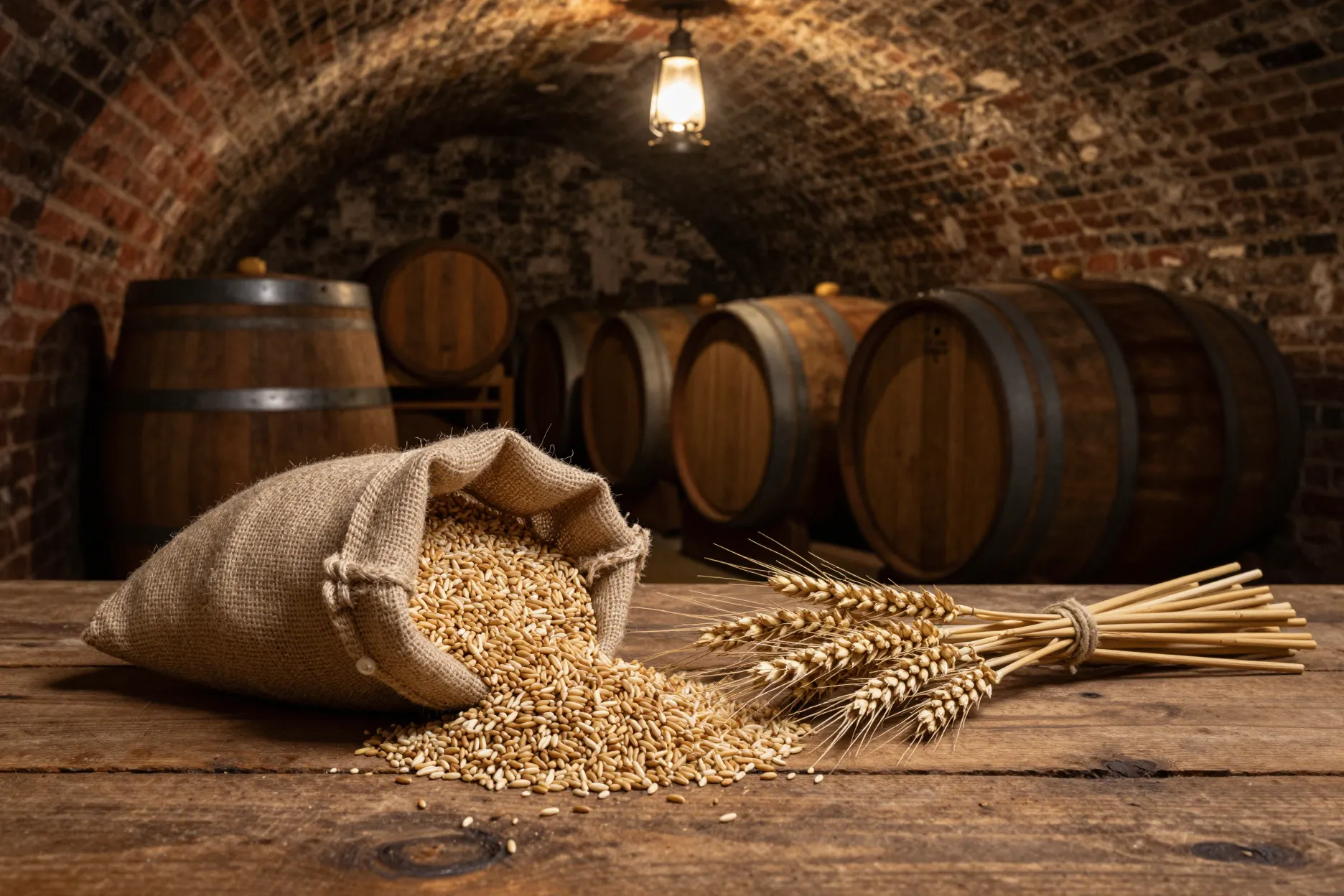
Bock beer appeared in the Netherlands in April 1843, in a Bavarian beer house in Amsterdam that had it imported from Munich. At the time, it was a spring beer, which makes sense. Anyone who harvests barley in late summer, then malts it and brews in November or December, does not have a bock ready until February or March, after sixteen to eighteen weeks of lagering.
Around 1900, the bock season ran from December to March. After the First World War, the brewers agreed that bock would go on sale on the second Thursday of December. In the 1970s, the season shifted further forward: Heineken released its bock around mid-November in 1975 and advertised it as early as October 7 in 1976. The autumn bock is therefore more a matter of agreements and competition than of nature.
Six bucks in a pub
We owe the fact that bock is such a celebration today partly to enthusiasts. In 1978, Café Gollem in Amsterdam held a tasting featuring six Dutch bocks. Beer association PINT took over the festival in 1980, and it grew into an event with thousands of visitors and around a hundred Dutch bocks at the Beurs van Berlage.
That variation is now simply on our shelves. Take the Strooplikker Bock from Brouwerij De Poel (6.6 percent), brewed with candy syrup as a nod to the nickname of the inhabitants of Langeraar. Or the ROEM Herfstbock (6,8 procent), donker en lichtzoet op een rijke moutbasis; die is voor dit jaar uitverkocht en komt volgend najaar terug. En de Coole Ed from De Kauw from Bleiswijk (6 percent) is a winterbock with caramel and soft spices.
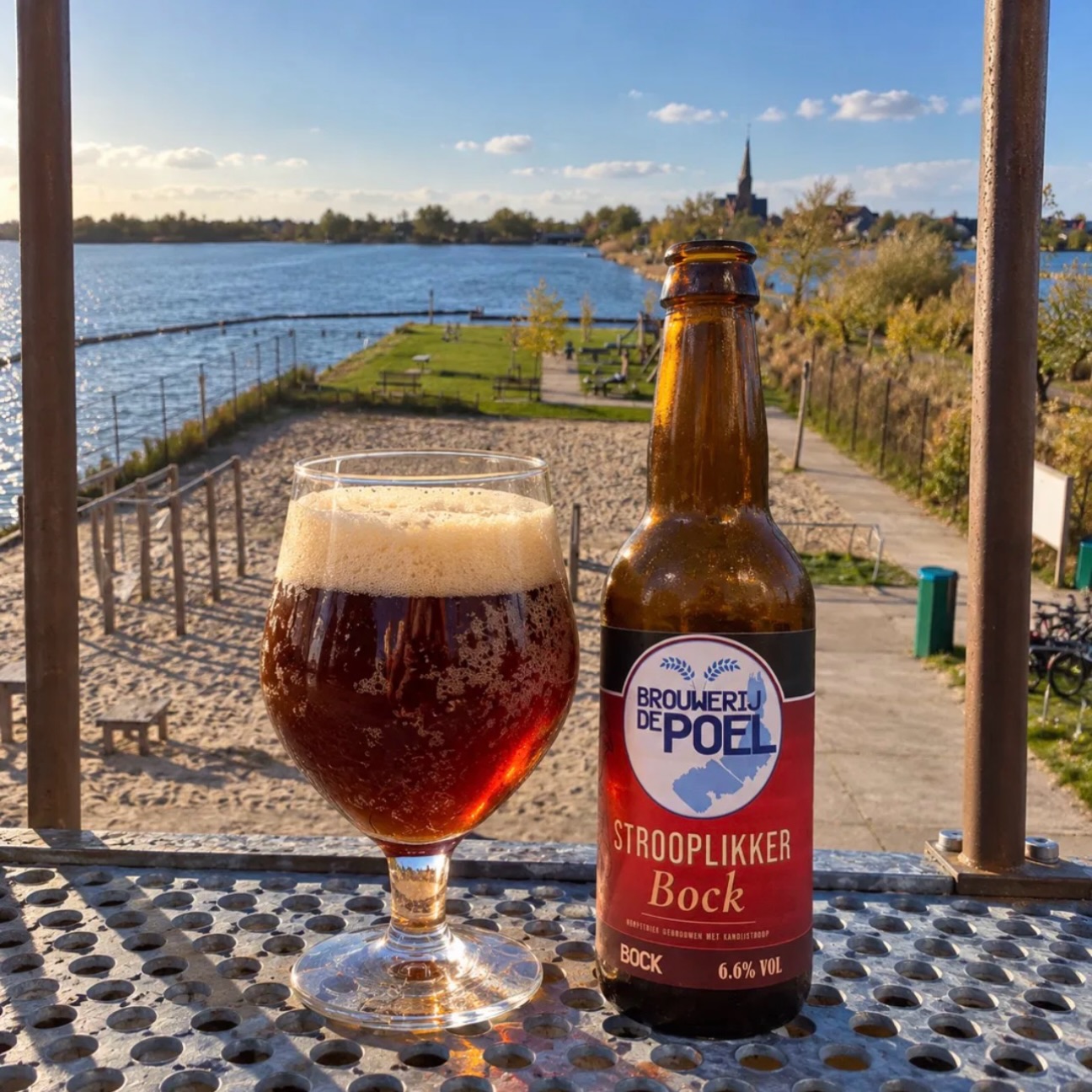
Those who want something stronger can grab a doublebock. The ROEM Doublebock and Ons Kazumi from Struuk Bier They are both at 8 percent. The ROEM is currently sold out, but Ons Kazumi is still available. Tonka beans are brewed into it, with a warm aroma reminiscent of vanilla.
And this week three new bucks arrived. The Lulkoek from Jokkebrok (10.2 percent) is a pastry doppelbock with vanilla and chocolate: full-bodied and velvety, more of a dessert than a regular beer. The beer comes from Egmond. Sancti Blonde Weizenbock by Sancti Adalberti (7.5 percent), organically brewed in a style rarely made in the Netherlands, with clove and banana. And the Doppelgänger from Brouwerij ’t Blauwe Hert (7.7 percent) is a light Weizen Double Bock that was previously released once as De Kwakelaar, for the anniversary of the village of De Kwakel.
And what about the spring bock?
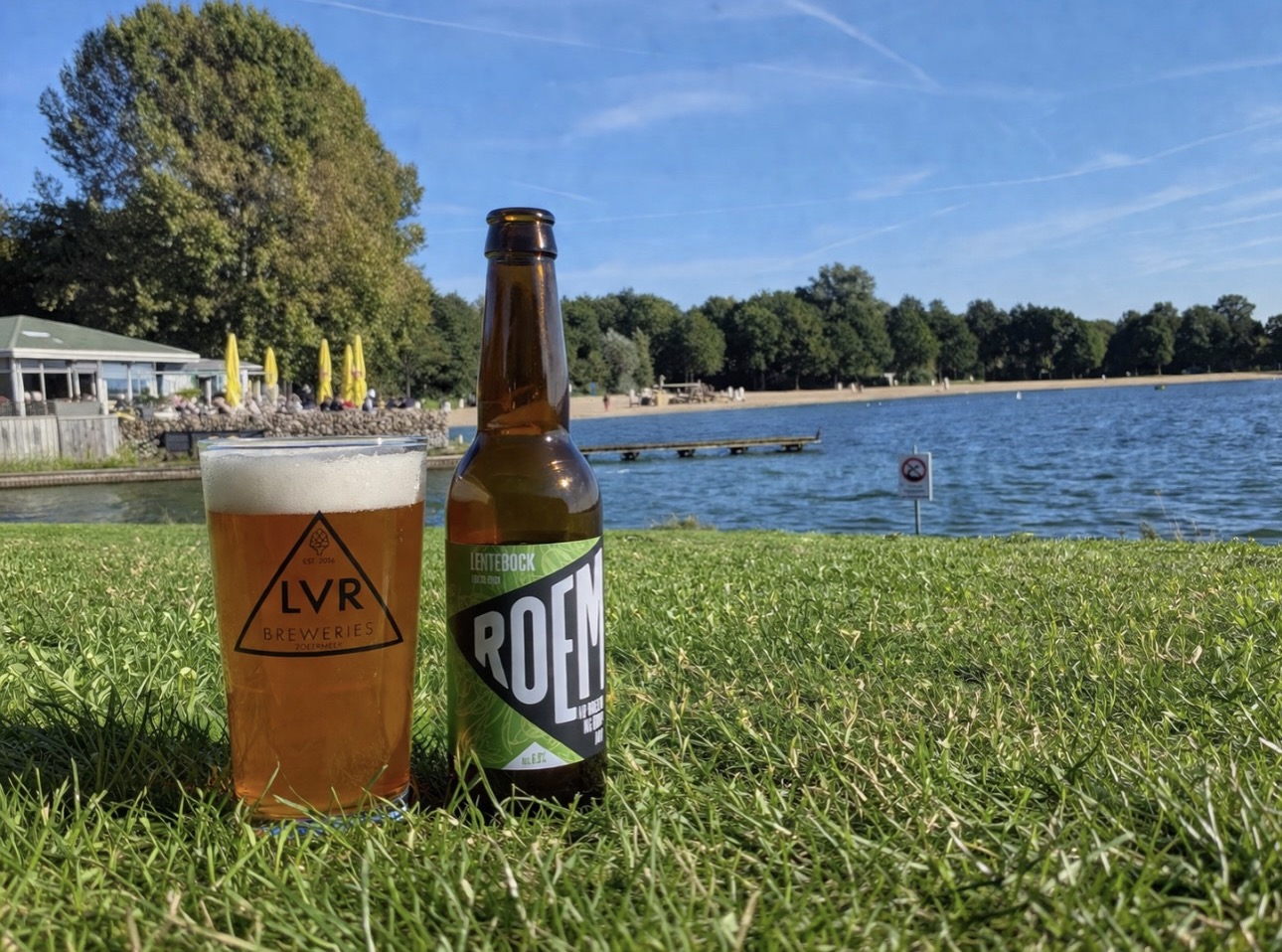
Those who have been paying close attention will now also understand why a bock still appears in the spring: the spring bock or May bock. In fact, it is precisely this one that follows the old rhythm of harvesting, malting, brewing, and patient lagering.
But for now, it is autumn, and that deserves to be celebrated. Grab a tulip glass, let the bock warm up a few degrees, and take your time. Cheers to Einbeck, to Munich, and to that handful of enthusiasts in an Amsterdam café.
You will find all the bucks we have in the house together in our category Bock.