


Stout
Stout is a dark beer made from roasted malt and burnt barley. This imparts notes of coffee, cocoa, and licorice, with a full body and usually little hop bitterness. The style varies widely: from dry, creamy stouts to imperial stouts of over ten percent and pastry stouts in which vanilla, coconut, or forest fruits are brewed.
Do not serve stout too cold. Coffee, cocoa, and licorice only really come through around ten to twelve degrees; straight from the fridge, you mainly taste bitterness. You can cellar the heavier bottles for years, as an imperial stout becomes rounder and softer in the bottle. With chocolate, oysters, aged cheese, or smoked meat, this is one of the most rewarding beers there is.
Showing all 14 results
Free shipping from €50, otherwise €7.68 per order. Pick-up in Zoetermeer is free.-
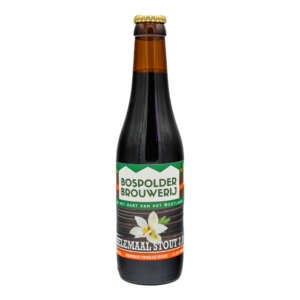
Bospolder Brouwerij Helemaal Stout 2.0 Russian Imperial Stout
€ 4,47 Add to cart -
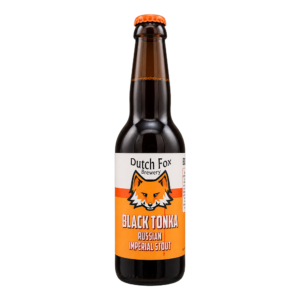
Dutch Fox Black Tonka
€ 4,49 Add to cart -
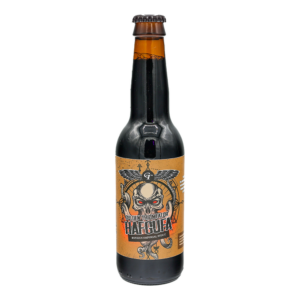
Gulden Triomfator Hafgufa Imperial Stout
€ 5,99 Add to cart -

Leidse Goud Zwarte Woud Pastry Stout
€ 6,89 Add to cart -

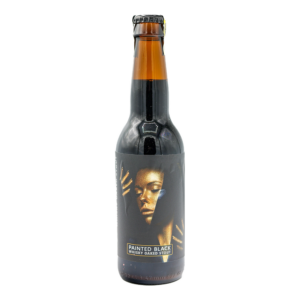
Pophop Painted Black Whiskey Oaked Stout
€ 4,99 Add to cart -
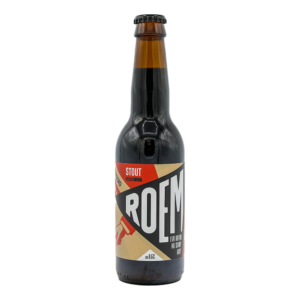
ROEM Stout
€ 3,99 Add to cart -
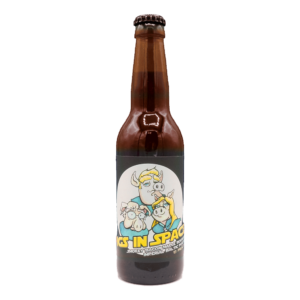
Rolo1977 Pigs in Space
€ 6,99 Add to cart -
UTCA Disc of 5 Stout
€ 5,09 Add to cart -
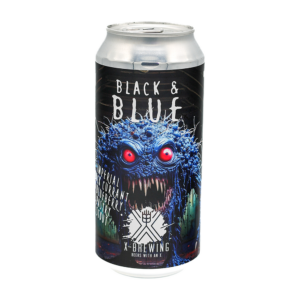
X-brewing Blackcurrants and Blueberries Pastry Stout
€ 7,89 Add to cart -
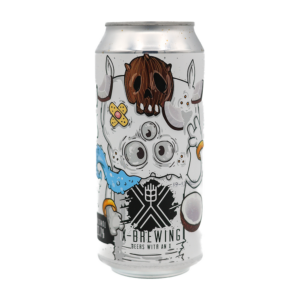
X-brewing Coco Chaos Coconut and Vanilla Pastry Stout
€ 7,89 Add to cart -
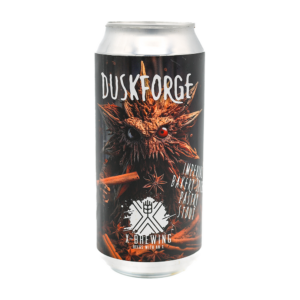
X-brewing Duskforge Imperial Bakery Spice Pastry Stout
€ 7,49 Add to cart -
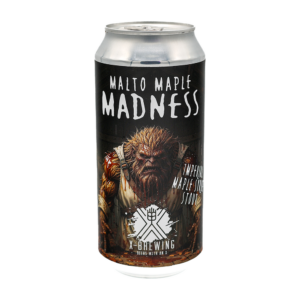
X-brewing Malto Maple Madness Imperial Stout
€ 6,89 Add to cart -
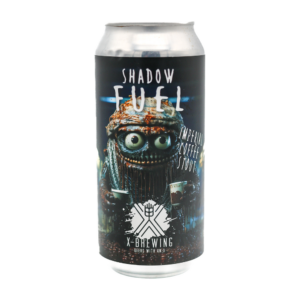
X-brewing Shadowfuel Imperial Coffee Stout
€ 7,59 Add to cart -
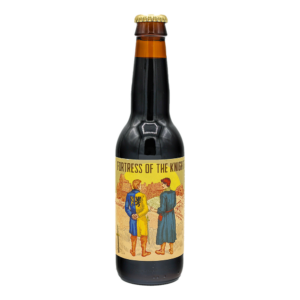
Yeasterday Fortress of the Knight Smoked Stout
€ 5,39 Add to cart

Which naughty one suits you?
At Hophelden, stout is not an entry-level beer. The lightest in this range is at 8.5 percent, and the heaviest at over thirteen. What distinguishes the varieties is not the color, as that is black everywhere, but what the brewer has put into them.
Imperial stout
The basic form, and immediately the heaviest. Roasted malt, coffee, and dark chocolate, with a bitterness that keeps the sweetness in check. Don't serve it too cold, then more flavors will emerge.
Pastry stout
Dessert in a glass. The brewer adds fruit, coconut, vanilla, or spices, allowing the sweetness to take over from the bitterness. Share one: a whole bottle is too much of a good thing for most.
Coffee and syrup
Beers in which a second ingredient takes the lead role: real coffee in one, maple syrup in the other. Both well above ten percent.
Wood, smoke and salt
In a league of its own. Weeks of aging in oak soaked in whiskey, smoked malt from the distillery, or a pinch of sea salt that makes the sweetness stand out even more sharply.
Frequently Asked Questions
What is the difference between a stout and a porter?
Historically, stout was simply the stronger version of porter. Nowadays, the names are used interchangeably, and the brewer decides for himself what to put on the label. In practice, a stout is typically darker roasted and has a fuller body.
Why is a pastry stout so sweet?
Because it contains ingredients that leave behind sugar that the yeast does not consume: lactose, vanilla, coconut, and fruit. These sugars therefore remain in the glass, on top of the malt. That is why a pastry stout is more reminiscent of a dessert than of beer.
At what temperature do you serve a stout?
Between 10 and 14 degrees. Straight from the fridge, it tastes thin and closed; let the bottle stand for half an hour and the coffee and chocolate notes really come out.
Can you save a naughty one?
Heavy imperial stouts are one of the few beer styles that improve with age. Storing them dark, cool, and upright for a year or two rounds out the bitterness. Pastry stouts, on the other hand, are better drunk fresh, as the fruit and vanilla notes fade.
What does a stout go with?
With chocolate dessert, aged cheese, and slow-braised meat. A coffee stout alongside tiramisu is one of the few pairings where beer beats wine.
Never drunk a stout of this strength? Order a 33-centiliter one and share it between two people. That isn't stinginess, but the best way to get a taste of it.
Terms such as IBU, EBC, and turbidity explained: beer terms. Curious who brews these beers: our breweries.
Also tasty: Dubbel & Quadrupel · Barley Wine, Rye Wine, and Mead · IPA