


Barley Wine, Rye Wine, and Mead
These are the heaviest bottles in the range. A barleywine is an English or American style of around or above ten percent, with caramel, toffee, and dried fruit, and a warmth that you can taste. Rye wine follows the same principle but with rye in the mash, resulting in a drier and pepperier beer. Mead is not beer but honey wine, fermented from honey and water.
This is drinking in small glasses. Pour at around twelve degrees, as cold alcohol masks the rest of the flavor. These bottles are made for aging: in the bottle, they become rounder and develop sherry and leather notes. Share one after dinner, with blue cheese, nuts, or dessert, or set it aside for an occasion worthy of it.
Showing all 6 results
Free shipping from €50, otherwise €7.68 per order. Pick-up in Zoetermeer is free.-
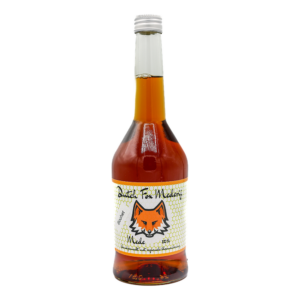
Dutch Fox Mede Bochét (Caramel)
€ 23,69 Add to cart -
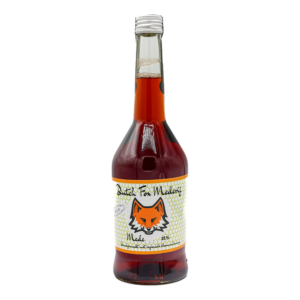
Dutch Fox Mead Grape
€ 23,69 Add to cart -
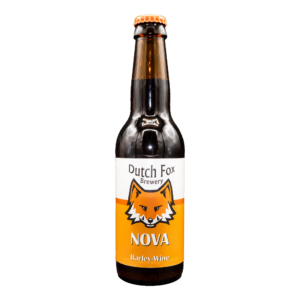
Dutch Fox Nova
€ 4,09 Add to cart -

Het Zwijn BarleyZwijn Barleywine
€ 4,59 Add to cart -

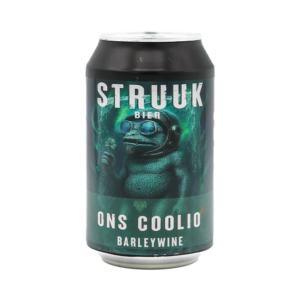
Struuk Bier Ons Coolio Barleywine
€ 4,69 Add to cart -
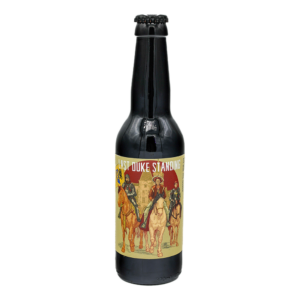
Yeasterday Last Duke Standing Rye Wine
€ 5,59 Add to cart
The heaviest line in the store
Barleywine, rye wine, and mead belong together because they all lean towards wine: high in alcohol, full of sugar, and made for long-term aging. Drinking them quickly is pointless.
Barleywine
Barley wine. A beer that incorporates so much malt that it approaches ten percent and beyond, with caramel, toffee, and dried fruit. Thick on the palate and warm on the throat.
Rye wine
The same idea, but with rye in the mash. That gives a spicy, slightly peppery twist to the sweetness, making the beer feel less syrupy than its alcohol content suggests.
Also
Honey wine, and strictly speaking not beer: no malt is involved, only honey, water, and yeast. We place it here because it takes the same place at the table as a barleywine.
Frequently Asked Questions
What exactly is a barleywine?
A beer with so much malt that it comes close to wine in terms of alcohol and body, usually between nine and twelve percent. The name refers to that comparison, not to the ingredients: it contains barley, not grapes.
Is mead actually beer?
No. Mead is fermented honey, without grain. We are including it in this list anyway because you drink it the same way: a small glass, slowly, at the end of the evening.
Can you store these beers?
Better than almost all the others. Due to the high alcohol content and residual sugar, they keep for years, and many connoisseurs find them even better after two or three years: the sharp edges wear off and sherry and port-like notes emerge. Store upright, in a dark, and cool place.
At what temperature do you serve them?
Around ten to twelve degrees, so cool but not cold. Too cold and the flavors shut down. Take a small glass and top up, then the rest stays at the right temperature.
What do they go with?
With aged cheese, nuts, dried figs, and caramel desserts. Also good as a finishing touch on its own, instead of a glass of port.
Five beers to put away instead of drinking. Buy two of the same and put one at the back of the cupboard; in two years, you will know what aging does.
Terms such as IBU, EBC, and turbidity explained: beer terms. Curious who brews these beers: our breweries.
Also tasty: Dubbel & Quadrupel · Stout · Tripel