

Pils
Pils is the beer virtually everyone started with, and precisely for that reason, it is the beer that forgives a mistake the least. It is a bottom-fermented lager: fermented cool and then cold-aged for weeks, which makes it clear, dry, and clean. The style originates from Pilsen in the Czech Republic, where it was first brewed in 1842, and relies on pale malt and a distinct, spicy hop bitterness rather than yeast or malt aroma.
Because there is nothing to hide anything behind, a good lager is harder to brew than it tastes. Among small brewers, styles range from light, low-alcohol versions to sturdier brews with more hops. Pour lager at around four to six degrees into a straight glass and drink it fresh, because freshness and hop aroma are the whole point here. With fries, fried snacks, grilled chicken, pizza, and young cheese, this is the easiest choice there is.
Showing the single result
Free shipping from €50, otherwise €7.68 per order. Pick-up in Zoetermeer is free.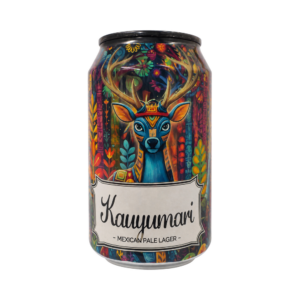
Lager: more than the pub beer
Pils is the beer everyone knows, and precisely for that reason, the beer that is the least forgiving. It is a bottom-fermented lager: fermented cold and then cold-aged for weeks, which makes it clear, dry, and clean. Among small brewers, the style varies more widely than you are used to from the pub.
Mexican lower
A light lager with corn in the malt blend, for a lean body and a subtle sweetness. Made to quench your thirst: clean, crisp, and without heavy bitterness. The lightest side of the family.
Classic lager
The style from Pilsen in the Czech Republic: pale malt and a distinct, spicy hop bitterness. There is nothing to hide anything behind, so you taste every mistake immediately. That is why a good pilsner is harder to brew than it tastes.
Frequently Asked Questions
What is the difference between pils and lager?
Pils is a type of lager. Lager is the collective name for bottom-fermented beer that is fermented cold and then cold-lagered; pils is the pale, hoppy variant that comes from Pilsen. Every pils is a lager, but not every lager is a pils.
What is the difference between lager and blond?
Pils is bottom-fermented and ferments at a cold temperature; blond is top-fermented and ferments at a warmer temperature. As a result, pils is cleaner and drier, and the yeast in blond produces fruity and spicy aromas that you won't find in pils.
At what temperature do you serve lager?
Cold, around four to six degrees, in a straight glass. That is colder than almost any other beer we sell, and it suits the style: freshness is the whole point here.
How long does lager stay good?
Drink it fresh. Freshness and hop aroma diminish over the months, and a lager has no heavy malt or high alcohol to compensate for that. Store it in a cool, dark place and do not wait too long.
What does lager pair with?
With fries, fried snacks, grilled chicken, pizza, and young cheese. The carbonation and dry finish cleanse the palate after every bite, without overpowering the food.
Do you think you know lager well enough? Taste one from a small brewer alongside what you are used to, and discover how much there is to find in such a simple beer.
Terms such as IBU, EBC, and turbidity explained: beer terms. Curious who brews these beers: our breweries.
Also tasty: Blonde · Witbier & Weizen · Other