

The many faces of stout: from Irish classic to beer for an empress
Why is a jet-black glass of beer actually called stout, and what does that have to do with a Russian empress? The answer lies in a few centuries of coincidence, trade routes, and skillful brewing, resulting in one of the most versatile beer families there is.
A robust porter with a name of its own
Stout did not start as a distinct beer style, but as a nickname. In 18th-century London, porter was the beer of dockworkers and market traders: dark, robust, and available everywhere. Brewers also produced heavier versions of it, and as early as 1677 these were called stout porters, literally a robust, powerful porter. Over time, the word porter dropped out, leaving only stout as a style in its own right.
Guinness and the dry Irish style
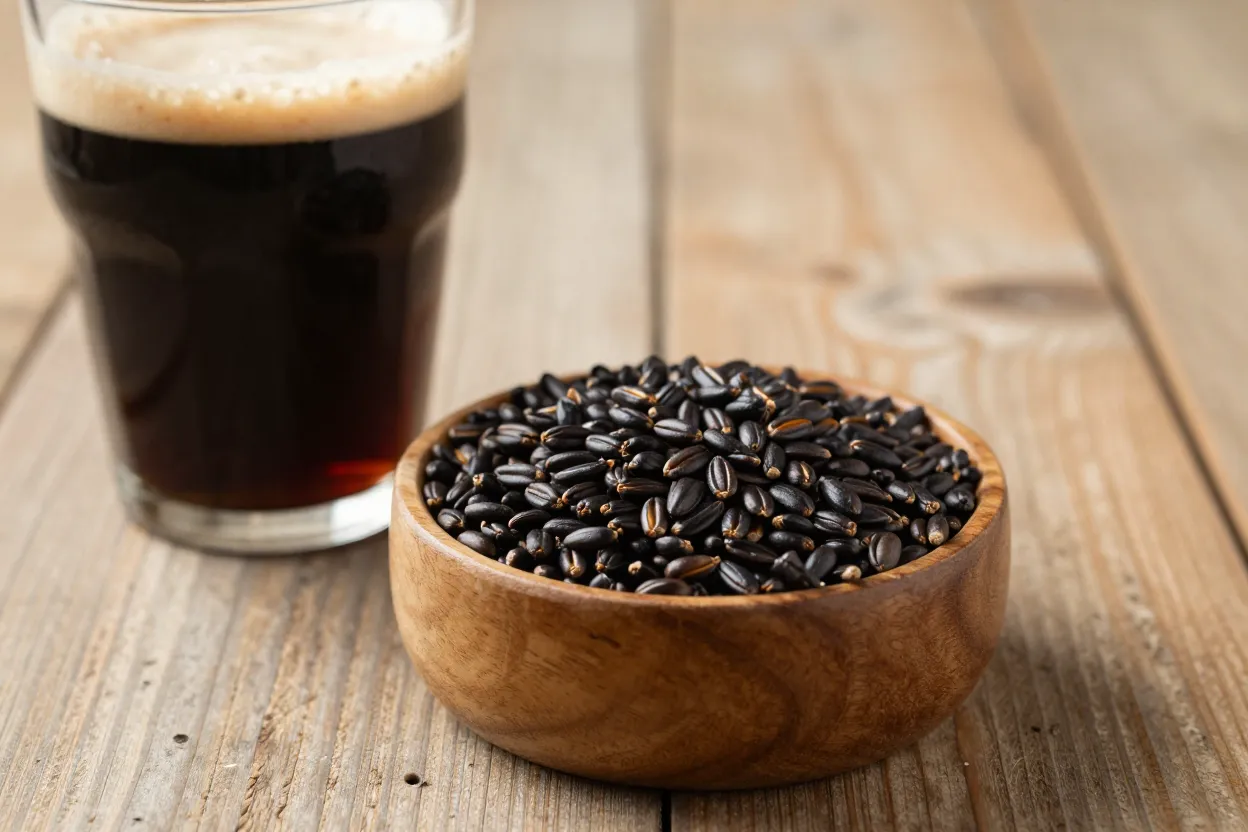
The most famous stout comes from Ireland. Arthur Guinness started his brewery in Dublin in 1759 and built upon the London porter recipe. The secret to that typically dry, slightly coffee-like finish lies in roasted malt: dark roasted, without a single coffee bean ever being used. In the photo below, you can see exactly that kind of roasted grain next to a glass of the same dark style. You can taste that same dry finish in the Rolo1977 Pigs in Space, a stout that shows you don't need Ireland for a good glass.
A beer for an empress
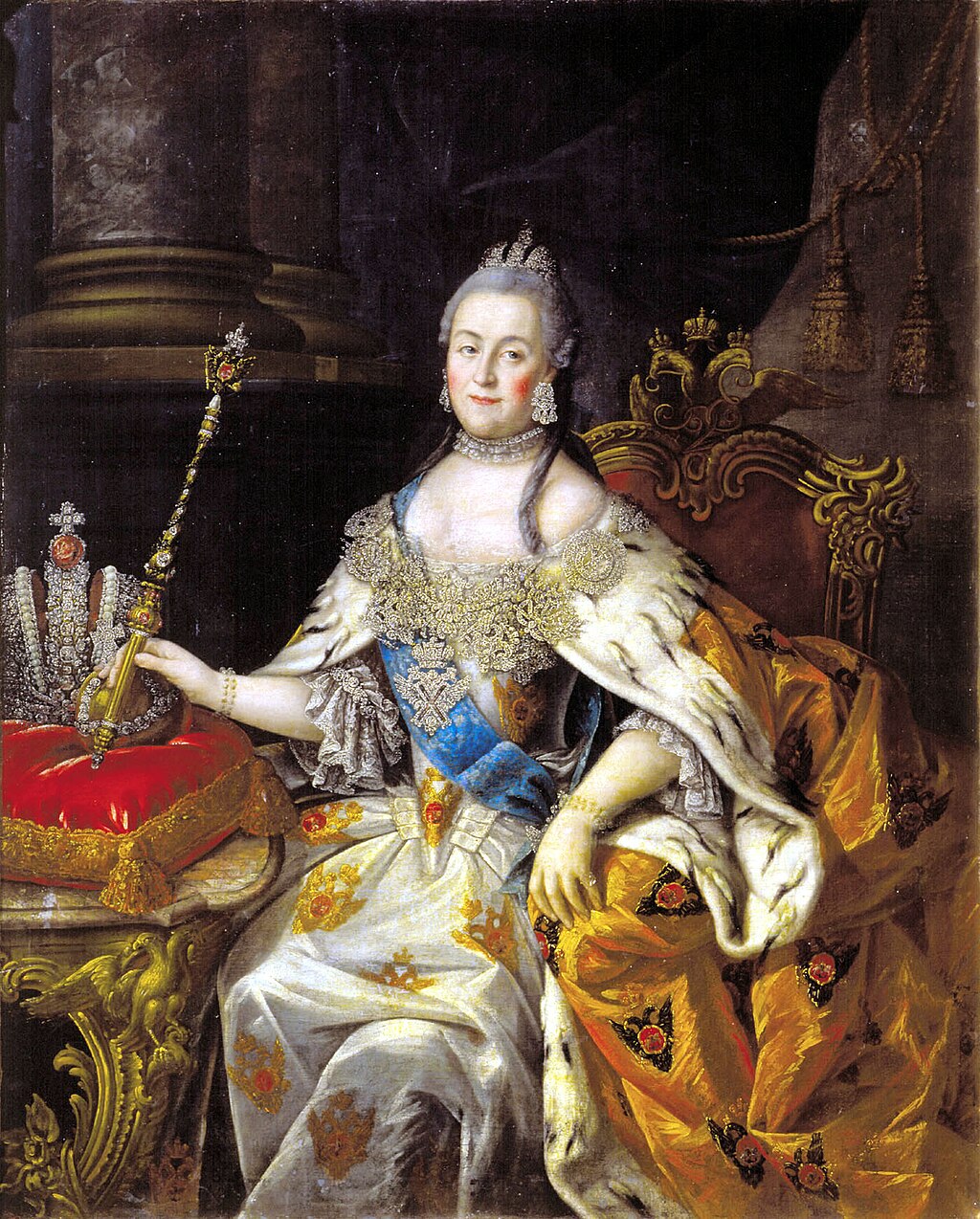
The heaviest branch of the family literally owes its name to the Russian court. Tsar Peter the Great became addicted to stout during a visit to England in 1698 and had the beer shipped to Russia. To survive the long, cold sea voyage, those beers had to become stronger and more alcoholic, and thus the Imperial Stout was born. Empress Catherine the Great and her court drank the beer alongside champagne and Burgundy, and when Russia excluded porter and stout from a new trade embargo in 1822, that trade could only grow. Today, that style, typically between eight and fifteen percent, can also be found on our shelves: the Gulden Triomfator Hafgufa Imperial Stout is a strong example of that, and even the ROEM Stout With 8.5 percent and layers of coffee and chocolate, it simply calls itself a Russian Imperial Stout.
From oats to dessert
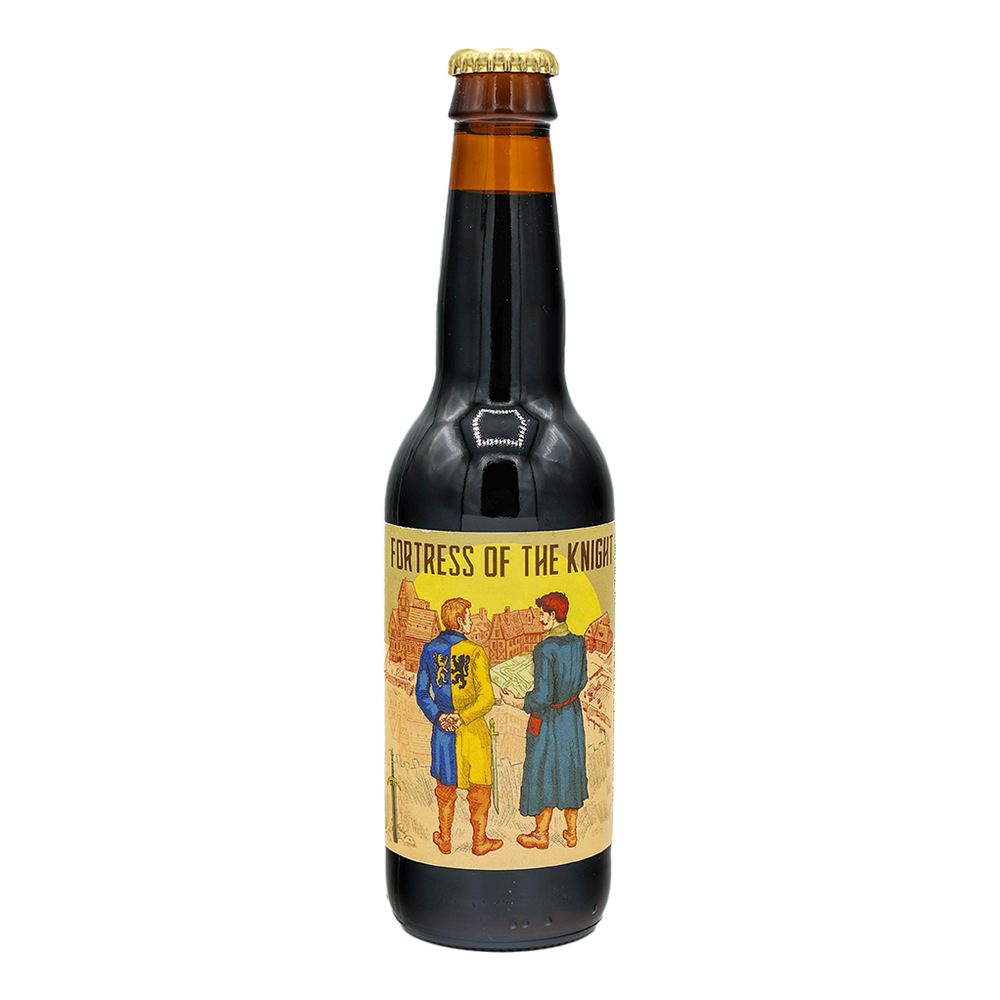
Not every stout is this heavy. Oatmeal stout incorporates a portion of oats into the brewing process, resulting in a rounder, creamier body without making the flavor heavier. Milk stout, also known as sweet stout, takes the opposite approach and adds lactose: a sugar that yeast cannot ferment, thus continuing to provide sweetness and a fuller finish. The newest addition to the family is the pastry stout, in which brewers freely add chocolate, vanilla, caramel, or fruit until it becomes just like a dessert in a glass, such as the Leidse Goud Zwarte Woud Pastry Stout. Below you see the Yeasterday Fortress of the Knight, a ten percent smoked stout with almond and salt: proof that the family is still expanding in new directions after three and a half centuries.