


Four beer myths that simply aren't true
Some assumptions about beer have survived for decades, simply because no one ever checks them. Time to take a closer look at four of them.
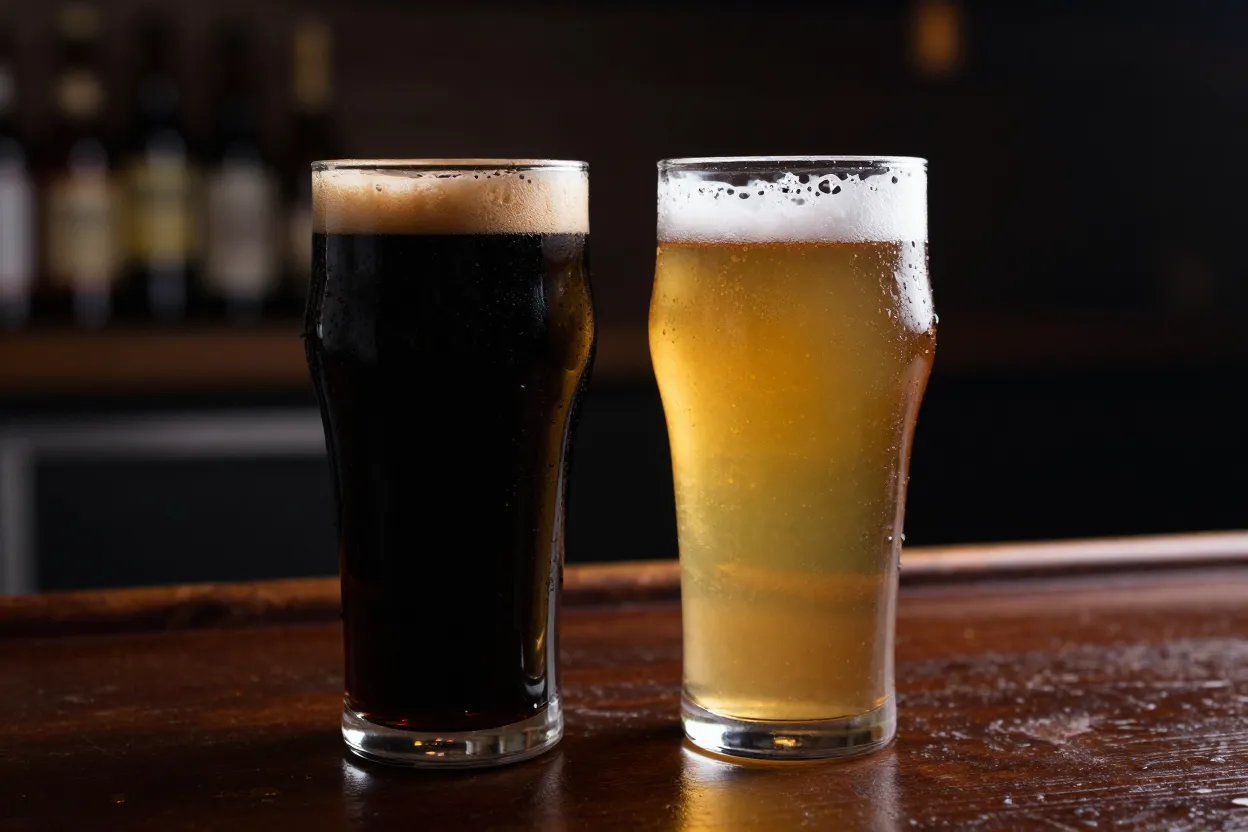
Dark beer is always stronger than blond beer
The color of a beer says nothing about the alcohol percentage. That color comes from how dark the malt is roasted, while the alcohol percentage is determined by how much sugar the yeast has converted. So, two completely separate things. The most famous international example is Guinness: so dark that it looks almost black, and yet only 4.1 percent alcohol, less than many a blond lager. In our shop, you see exactly the same pattern: the jet-black Schwarzbier from Bospolder Brouwerij is actually one of the lightest beers on the shelves, while the pale Ons Abraham Tripel from Struuk Bier with its deep flavor is secretly one of the sturdier ones.
Cloudy beer is contaminated or poorly brewed.
For centuries, cloudy beer was simply the norm—think of wheat beer, lambic, and saison. Only when clear lager became the norm did a haze in the glass acquire the image of being spoiled. Unjustly so: that cloudiness usually comes from unfermented proteins and hops, from settled yeast due to refermentation in the bottle, or simply from the temperature. Only in the case of a genuine infection, recognizable by a sour or buttery smell, is there actually something wrong. Hazy Shade of Summer by X-Brewing is intentionally opaque: that cloudiness is exactly where the soft, juicy flavor comes from.
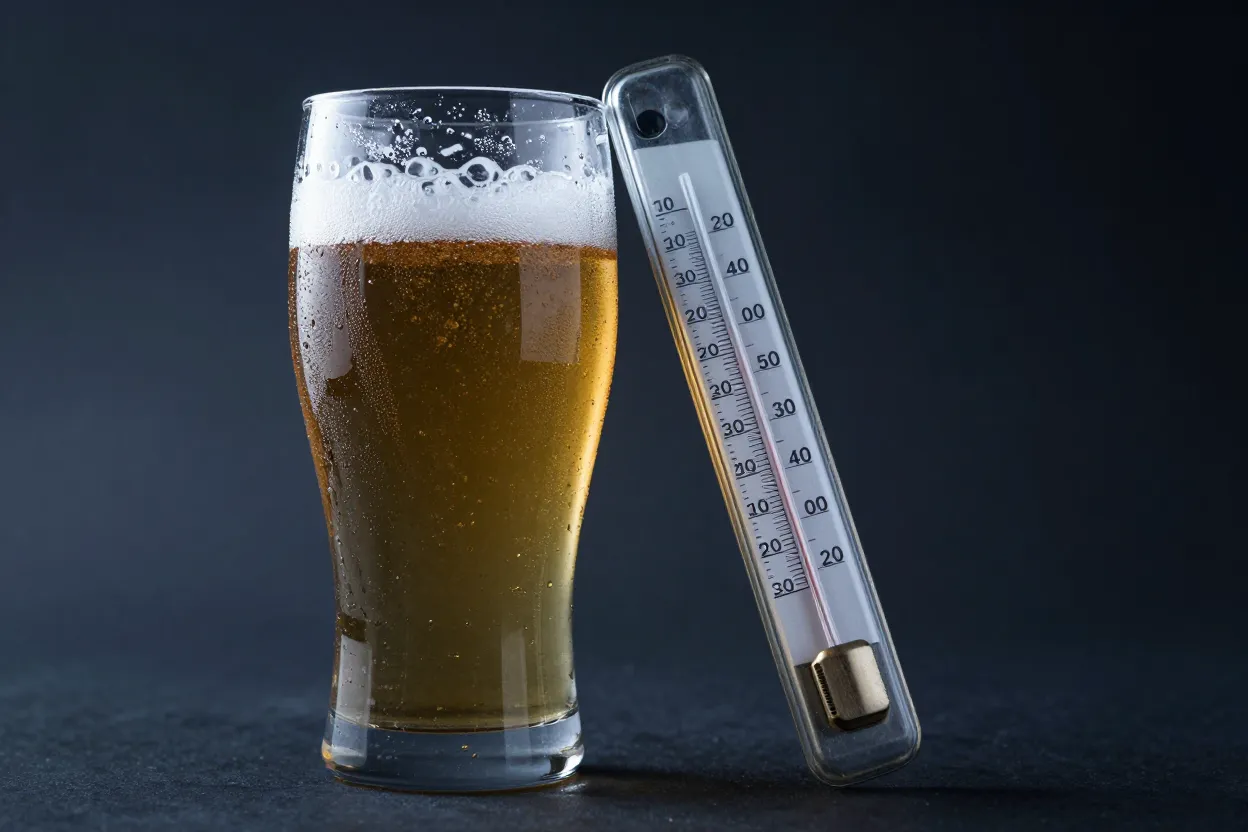
Beer should be served as ice-cold as possible.
Ice cold is refreshing on a hot day, but it also suppresses the aromas: the colder the beer, the less you actually taste of it. That is why most specialty beers only truly come into their own between six and twelve degrees. A robust stout like the Fortress of the Knight Smoked Stout from Yeasterday Brewing It is even served at twelve degrees, on purpose, to give the smoke and caramel the space they deserve.
Beer from a can tastes less good than from a bottle.
Many people fear a metallic taste from a can, but the inside of every can has a protective coating that never allows the beer to come into contact with the metal itself. In fact, a can keeps out light and oxygen better than a bottle with a cap, and those are the two biggest enemies of fresh beer. A NEIPA like the Insert Coin by Utca Brews It is therefore deliberately canned, not as a cost-saving measure, but as better protection for all that fresh fruit in the glass.
Four fewer myths, and simply more taste to win you over.