

Malt: the unsung flavor enhancer of your beer
Talk to someone about beer and the conversation quickly turns to hops. Bitter or fruity, IPA or lager, hops get all the attention. But the malt determines at least as much, perhaps even more. Color, sweetness, body, that hint of coffee or caramel you taste without knowing exactly where it comes from: that almost always comes from the malt. It is time to shine a spotlight on this silent flavor maker.
Pilsner malt: the basis of almost every glass
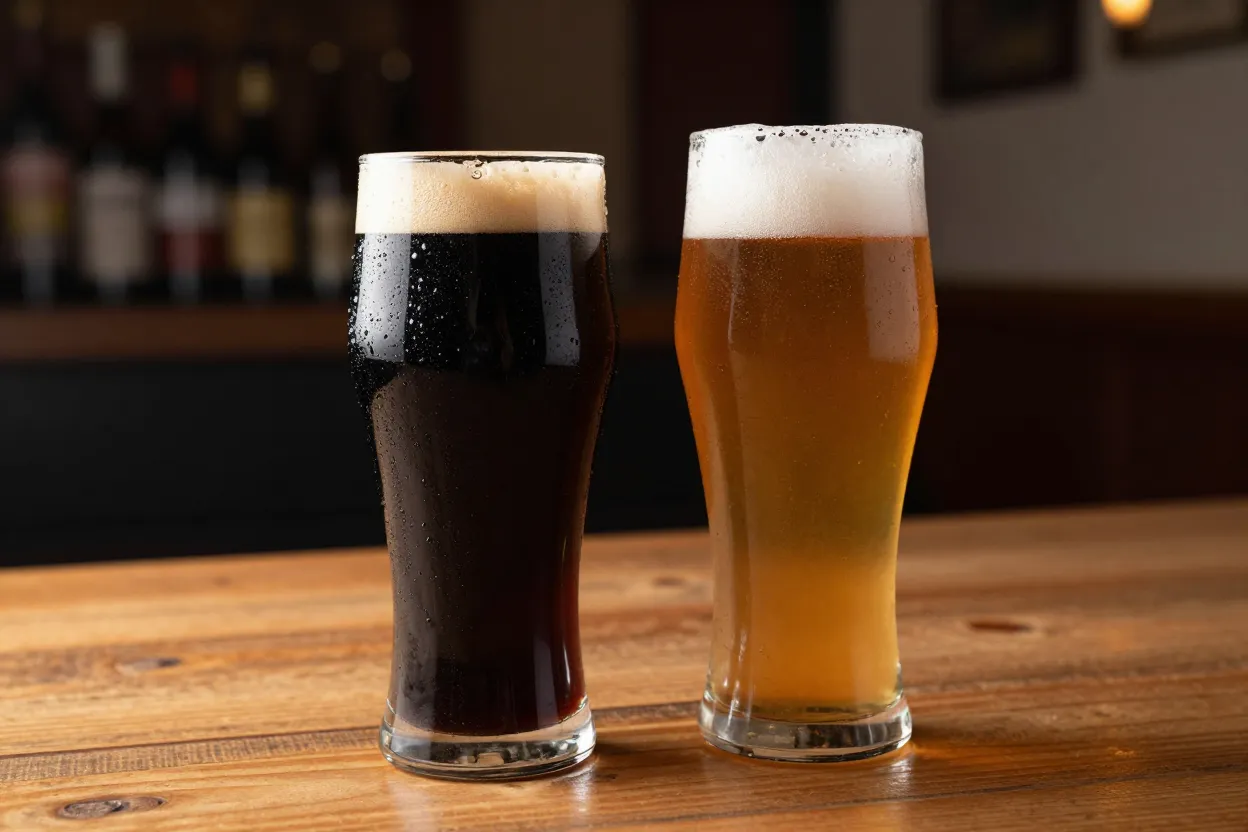
Base malt, such as Pilsner malt, makes up seventy to one hundred percent of the mash in virtually every beer. Neutral in taste, light in color, and above all the most important supplier of sugars for the yeast. Without Pilsner malt, there is no alcohol, simply put. Slightly darker and fuller is Viennese or Munich malt: it imparts an amber color and a distinct malty note, exactly what you taste in a Bock like the De Kauw Coole Ed Winterbock.
Caramel malt: sweetness already in the grain
With caramel malt, the wet, undried grain is first stewed, causing the sugars within to caramelize before the malt is dried. This results in a type of malt that is naturally sweet and can vary considerably in color, from light yellow to almost syrupy dark. Caramel malt gives a beer more body and a rounder, sweeter finish. Funnily enough, this is not always visible in the color: the Struuk Ons Abraham Tripel It has deep malt notes, but in the glass it actually looks remarkably light for what you taste.
Chocolate malt and roasted malt: coffee without the coffee bean
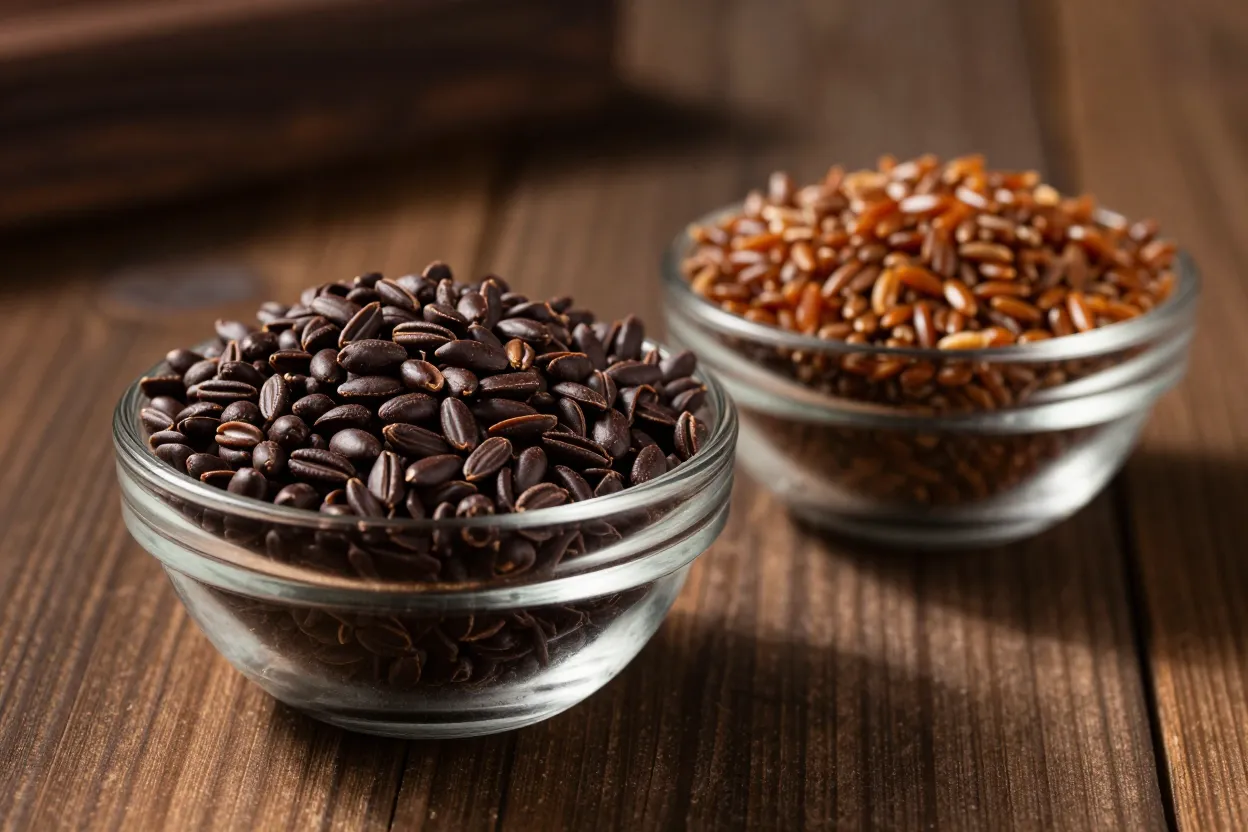
Roasted malts are dried at much higher temperatures than base malt, well into the dark brown and even black range. That roasting naturally imparts notes of coffee, cocoa, and toasted bread, even though there isn't a trace of coffee or chocolate in the bag of malt itself. It is precisely this base that X-brewing uses for the Malto Maple Madness Imperial Stout: roasted malt and caramel malt, with a generous layer of maple syrup over it. With Dutch Fox Black Tonka The brewer goes a step further and adds real tonka and coffee beans alongside the roasted malt, so the coffee flavor is doubled. If you want to taste the pure malt without any extra additions, try pouring a Bospolder Helemaal Stout 2.0 in.
And then there is wheat malt.
Not every malt comes from barley. Wheat malt provides a fuller mouthfeel and a more stable, denser head, exactly what a good Weizen calls for. In Het Zwijn EigenWeis Weizen Water, malt, hops, and yeast are literally the only four ingredients, and yet you taste a creamy, soft body that comes largely from that wheat malt.
The next time you open a craft beer, take a look at the color before you taste it. That color, and a large part of the flavor behind it, is already determined before a single drop of water was ever added.