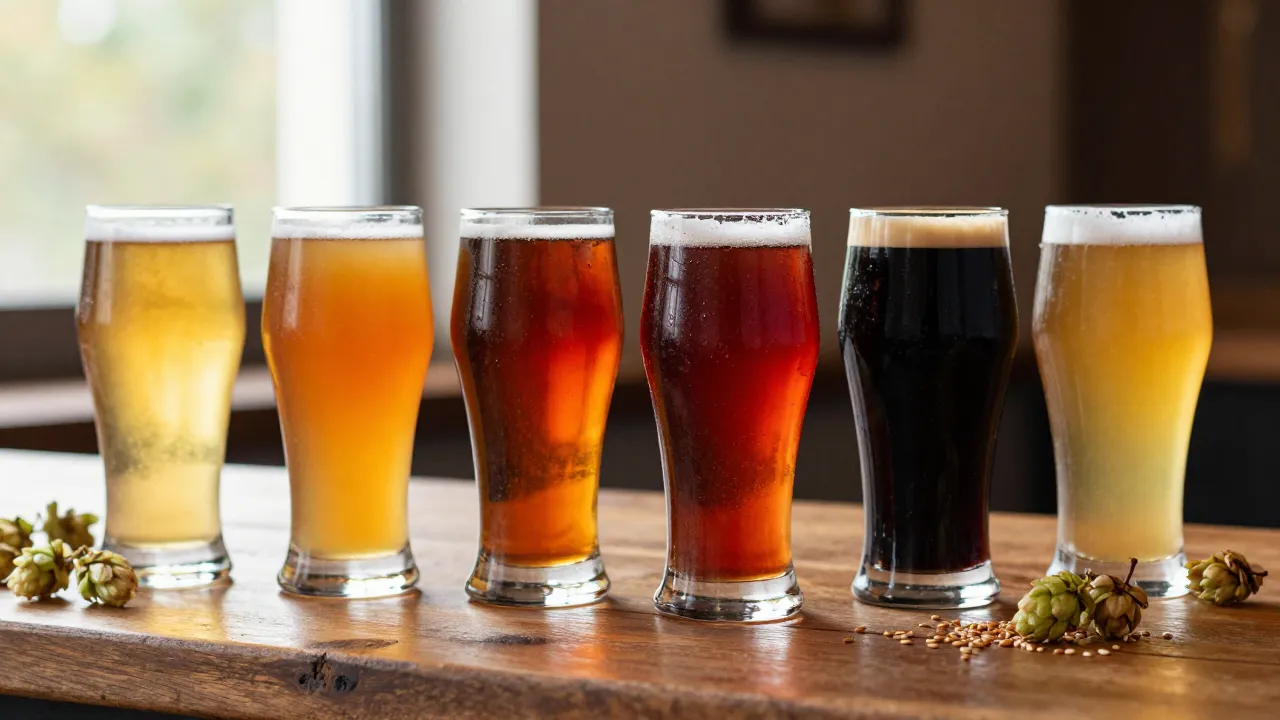


Beer through the ages: from clay tablet to craft beer can
Years ago, in a cave near Mount Carmel in Israel, archaeologists found stone bowls covered in fermented grain residue. Age: over thirteen thousand years. Beer is therefore presumably older than the wheel and older than the written word, and perhaps one of the reasons why people once decided to settle somewhere permanently.
Older than the pyramids
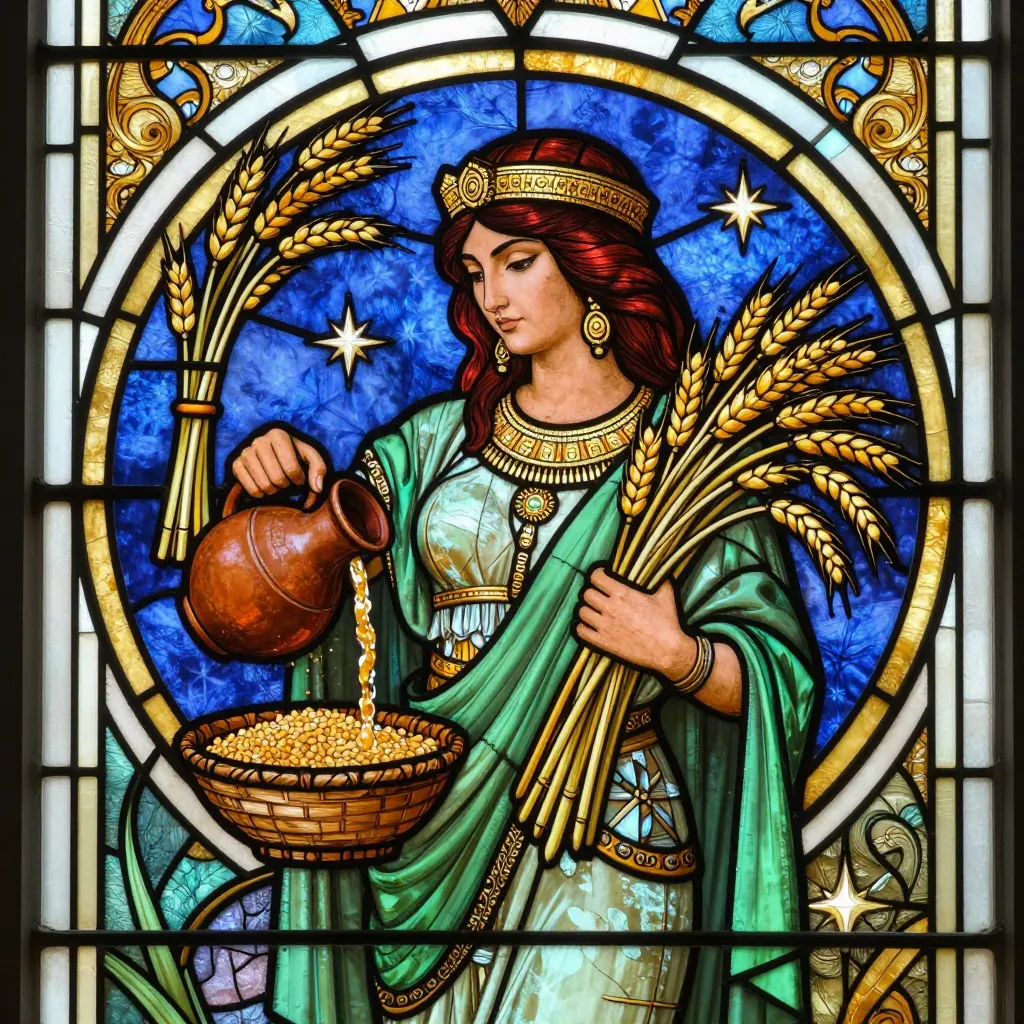
The Sumerians in Mesopotamia already kept records in black and white: clay tablets contain a hymn to Ninkasi, the goddess of beer, which simultaneously served as a brewing recipe. Brewing itself was typically women's work at the time, just as it was centuries later in Europe, where women made and sold beer as home brewers and “alewifes.” The laws of King Hammurabi, dating from around 1755 BC, already mention at least twenty different types of beer in Babylon. In ancient Egypt, workers received about four liters of beer daily as wages, including those building the pyramids. Pharaoh Ramses II even had the first state breweries established around 1300 BC. The photo above shows proof of this: a genuine ancient Egyptian model of a complete bakery and brewery, with tiny working figures, given to a deceased person for the afterlife.
Monks kept the beer alive
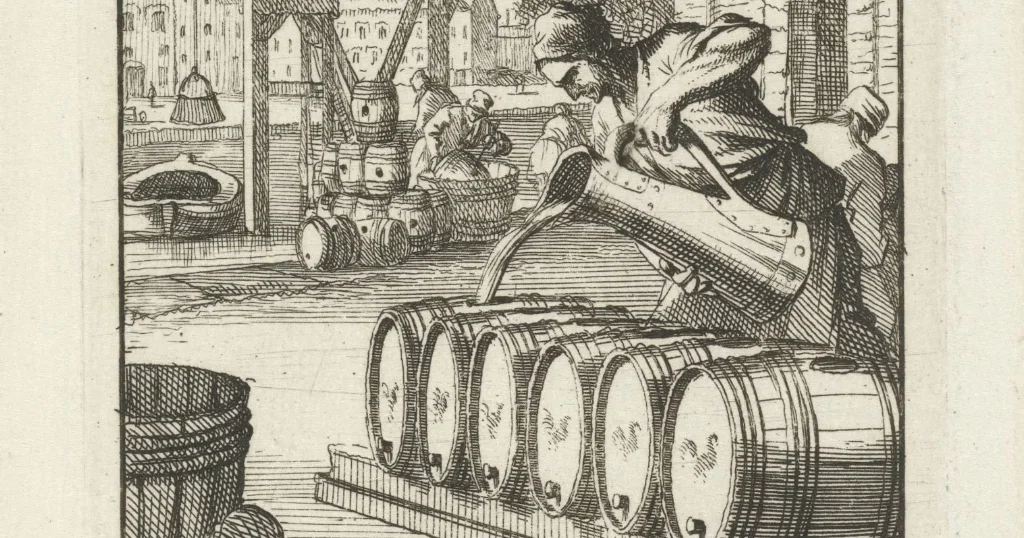
After the fall of the Roman Empire, it was primarily monasteries that maintained and refined brewing in Europe, as a steady source of food and drink for monks and travelers. Around 1240, the word beer in the Low Countries acquired roughly its current name. What did change, however, was the flavoring: brewers gradually switched from gruit, a mixture of herbs, to hops, and after 1450, hops had become the standard. That monastic tradition still lives on in robust, spicy styles such as the Snipperdag Tripel from Beun Brewing, nine and a half percent strength and aged on cherry wood instead of in a monastic cell.
The Purity Law and the birth of lager
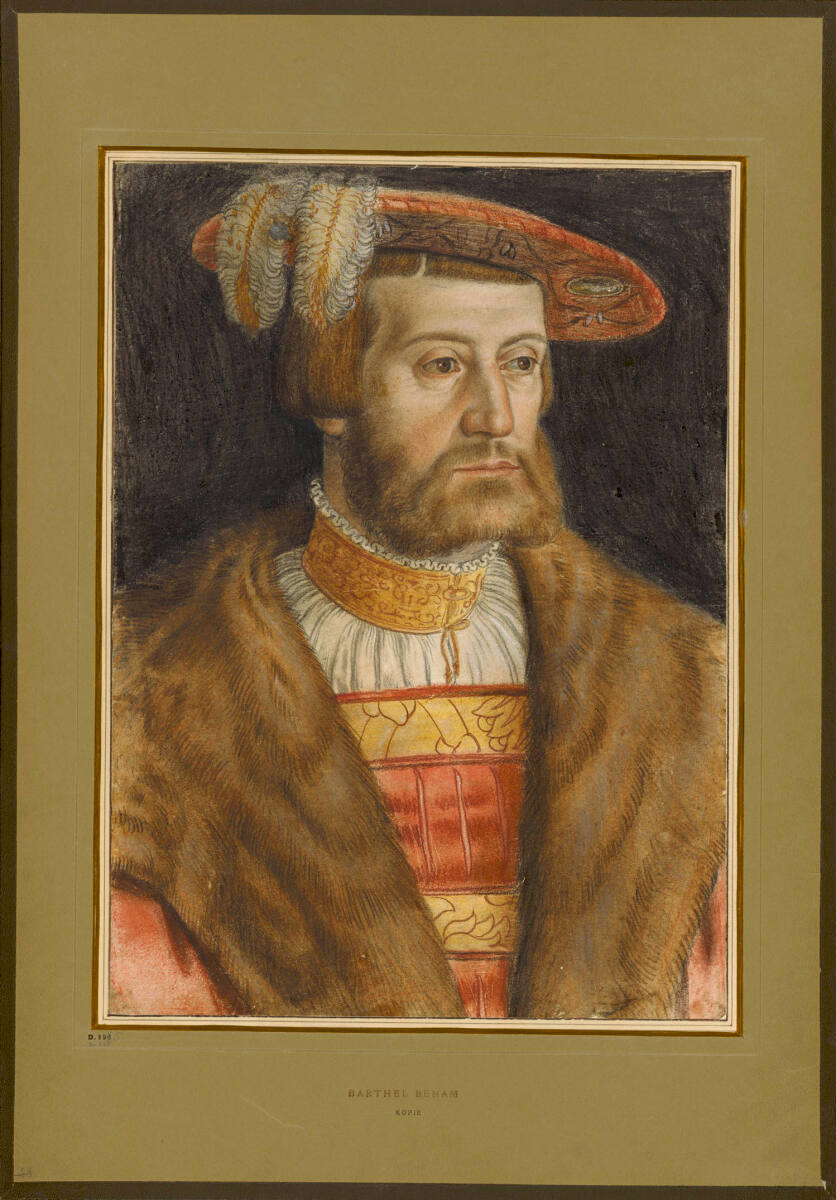
In 1516, Duke William IV of Bavaria stipulated in the Reinheitsgebot that beer could consist solely of water, barley, and hops. Yeast had long existed in practice by then, but was simply not considered a separate ingredient: a portion of each brew was simply carried over to the next. It was not until 1842 that brewer Josef Groll in Pilsen, Czech Republic, turned everything upside down with a new, bottom-fermented beer that came out of the barrel clear and golden: Pilsner was born. When the German engineer Carl von Linde invented the refrigeration machine in 1873, that bottom-fermented beer could be brewed year-round and anywhere in the world, marking the beginning of the rise that made Pilsner the most popular beer type in the world. That same bottom fermentation produces very different beers today: from the pitch-black Schwarzbier from Bospolder Brouwerij until the oak-aged Spicy Pienter by Dutch Fox.
From giant factory back to the neighborhood brewery
That same scaling up ensured that, in the mid-twentieth century, a handful of major brands determined taste worldwide. This met with resistance in the late seventies, first in the United States: small brewers who started working with less volume and more flavor, forming the basis of what we now call craft beer. You can now see that same movement closer to home as well. Take Bijster, founded in 2020 and only with its very first beer on the market in 2024, or Utca Brews, which started as a home brewery in Utrecht and now fills cans like the Hoppy Invaders Neipa. From clay tablet to can: beer has not stood still for a moment in thirteen thousand years, and here in our shop, that simply continues.